

How Designers Bring
Woven Furniture Into a Room
From a single rattan chair to a room layered with natural texture, discover how designers use woven furniture to create interiors with warmth, character, and a sense of collected ease.
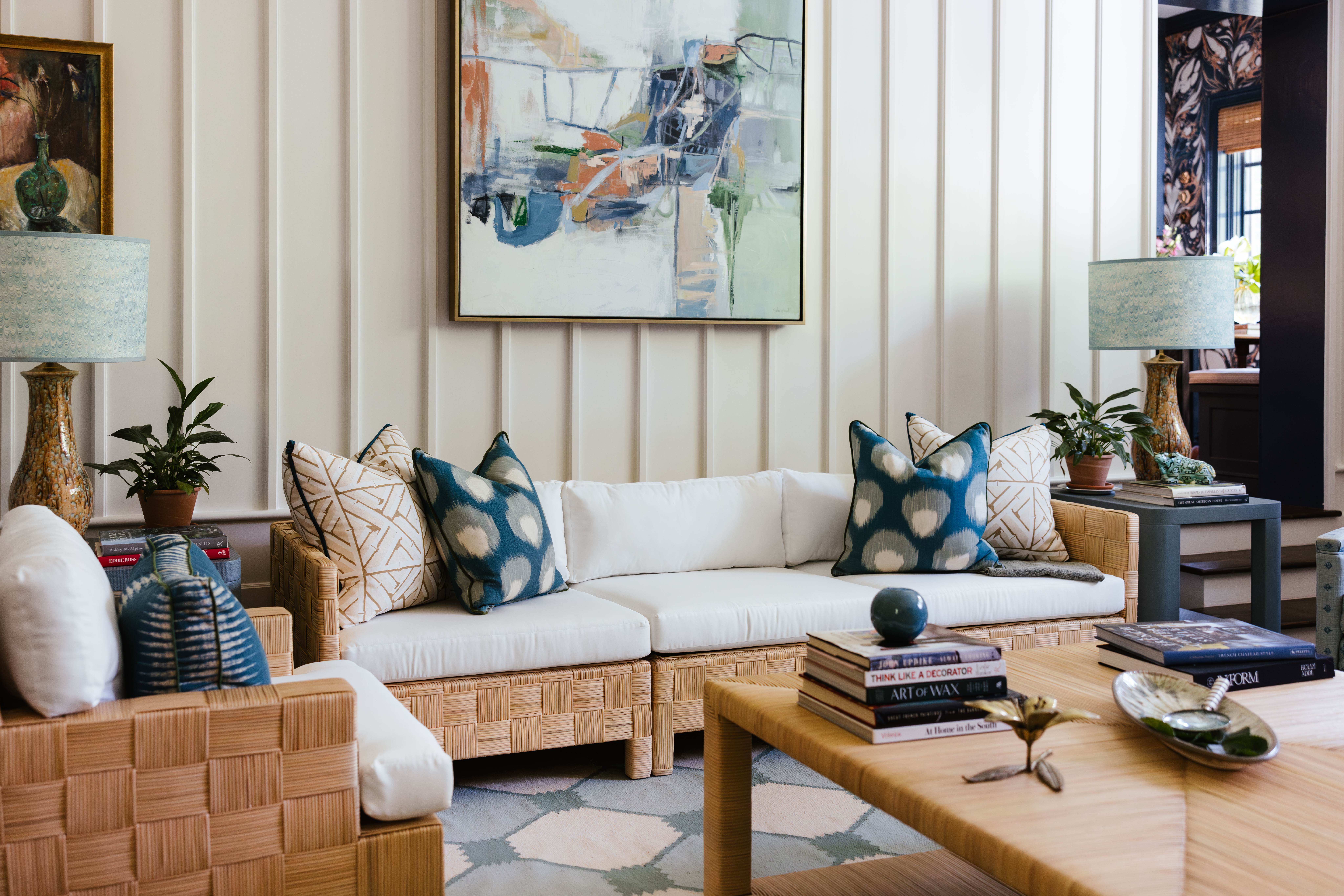
Look closely at a beautifully layered interior and there is often something woven in the room.
It might be a pair of rattan dining chairs surrounding a polished table, a woven lounge chair beside tailored upholstery, or a sculptural basket tucked quietly into the corner of a room.
Designers return to woven furniture because it does something few materials can do quite as effortlessly: it adds texture, warmth, and character without making a room feel heavy.
Natural rattan can soften a formal interior, introduce contrast to a contemporary space, and help a newly decorated room feel as though it has evolved over time.
The secret is not simply adding woven furniture. It is knowing how to use it.
“ Woven furniture introduces texture without heaviness, making a room feel layered rather than decorated. ”
Pair Woven With Something Polished
One of the easiest ways to introduce woven furniture is through contrast.
Rattan becomes especially interesting when placed beside materials with a completely different character: polished wood, lacquer, marble, glass, brass, or tailored upholstery.
The contrast allows each material to become more noticeable. A polished dining table feels less formal surrounded by woven chairs, while the texture of the chairs becomes more pronounced against the smooth surface of the table.
Rather than matching every material in a room, designers often use contrast to create depth.
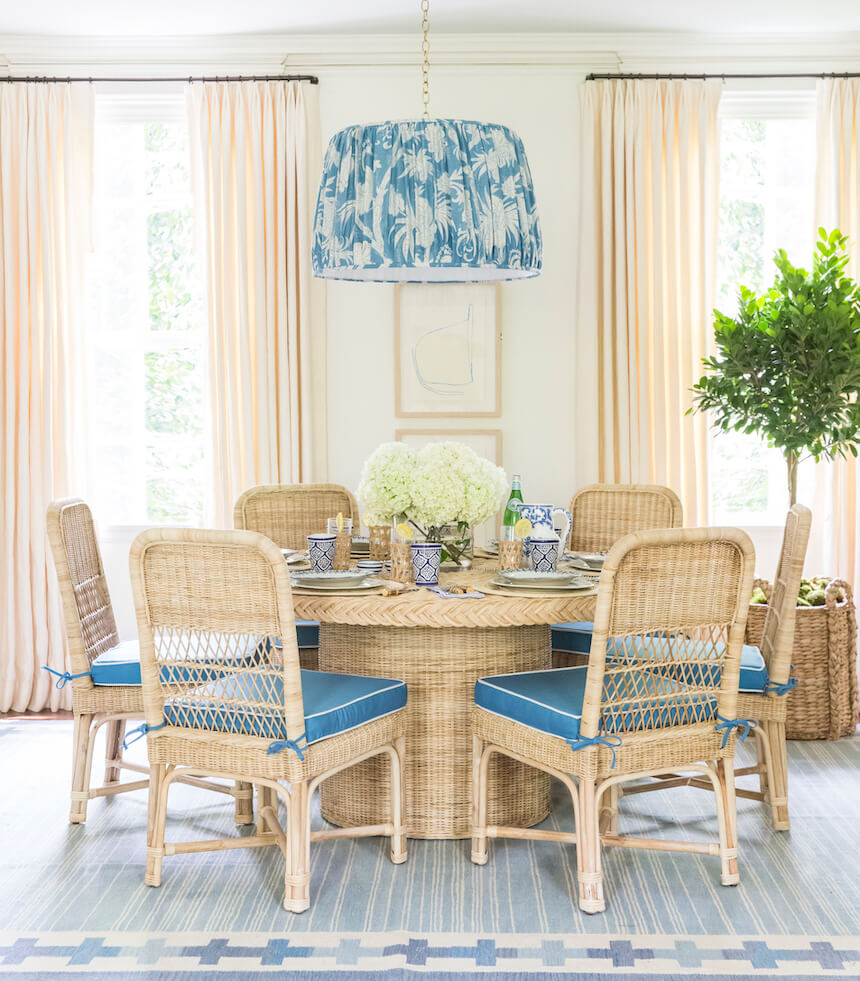
Let Woven Chairs Soften the Table
Dining rooms are one of the most natural places to introduce woven furniture.
A substantial wood or lacquered dining table can carry considerable visual weight. Surrounding it with rattan chairs creates balance, adding texture while allowing light to move through the woven construction.
Designers also use woven chairs to make traditional dining rooms feel less formal. Against architectural millwork, patterned wallpaper, or an antique table, rattan introduces an element that feels relaxed and approachable.
For an even more collected look, consider using woven armchairs at the ends of the table and upholstered or side chairs along the sides.
Do Not Match
Every Material
A room becomes more interesting when materials complement rather than copy one another. Pair woven furniture with wood, stone, metal, glass, upholstery, and painted finishes to create depth.
Use Woven Furniture as the Counterpoint
In a living room filled with upholstered furniture, introducing one woven piece can completely change the composition.
A rattan lounge chair beside a tailored sofa creates contrast in both texture and silhouette. The room immediately feels less predictable and more collected.
The same principle works with smaller pieces. A woven side table, cocktail table, or basket can interrupt a room dominated by fabric and smooth surfaces.
Designers often think of these pieces as punctuation: they do not need to dominate the room to make a significant difference.
Repeat the Texture, Not the Furniture
One of the most useful designer techniques is repetition. But repetition does not mean filling a room with matching pieces.
Instead, designers often repeat a material in smaller moments throughout the space.
A woven chair might be echoed by a basket across the room. A rattan table could relate to a woven wall bracket or decorative accessory. These subtle connections make the room feel intentional without looking like a furniture set.
The eye recognizes the relationship even when the pieces themselves are completely different.
How to Layer
Woven Furniture
Something Woven
Introduce natural texture through a chair, table, basket, or accent piece.
Something Tailored
Pair rattan with crisp upholstery or a structured silhouette.
Something Polished
Add contrast through lacquer, stone, glass, metal, or polished wood.
Something Patterned
Florals, stripes, checks, and botanicals create another layer of personality.
Something Collected
Antiques, books, art, and personal objects keep the room from feeling overly new.
Something Living
Flowers, branches, and greenery reinforce the natural character of woven materials.
Use Rattan to Bridge Different Styles
Rattan has an unusual ability to belong to many different design languages at once.
It can sit beside an antique chest in a traditional interior, bring warmth to a more contemporary room, or introduce a relaxed element into a polished entertaining space.
That versatility makes woven furniture particularly useful in homes that have been collected over time.
Rather than forcing old and new pieces to match, rattan can become the visual bridge between them.
Let Natural Rattan Act as a Neutral
Woven furniture becomes particularly useful in rooms with a strong pattern story.
Floral upholstery, botanical wallpaper, stripes, checks, and colorful textiles all introduce visual movement. Natural rattan gives those patterns somewhere to rest.
Because its variation comes from texture rather than printed pattern, rattan can behave almost like a neutral while still contributing significant visual interest.
This makes it possible to layer color and pattern without allowing the room to feel overwhelmed.
Bring Woven Texture Into Unexpected Places
A woven chair may be the obvious starting point, but designers use rattan throughout the room.
Console tables, cocktail tables, side tables, pedestals, wall brackets, baskets, and decorative accessories can introduce woven texture in smaller doses.
These pieces are particularly effective when a room already contains its primary furniture but still feels as though something is missing.
Often, what is missing is not another color or pattern. It is texture.
Unexpected Ways to
Add Woven Texture
Let the Woven Piece Have a Moment
One beautiful woven piece can sometimes be more effective than an entire room of rattan.
When every chair, table, basket, and accessory shares the same material, the individual character of the weave can begin to disappear.
Designers often allow woven furniture to become the counterpoint rather than the theme.
A pair of sculptural chairs, one beautifully woven table, or an oversized basket may be all a room needs to gain the warmth and texture that makes rattan so appealing.
Layer the Room,
Do Not Match It
The most compelling interiors bring together different materials, periods, textures, and personalities. Woven furniture becomes one layer in that larger story.
The Best Rooms Feel Collected
Ultimately, designers are not simply arranging furniture. They are creating relationships between objects.
A woven chair looks different depending on what sits beside it. An antique table, a patterned cushion, a contemporary lamp, a stack of books, or a vase filled with garden branches can completely change its personality.
This is why woven furniture works so beautifully in collected interiors. It does not require everything around it to belong to the same family.
Instead, it becomes part of the mix.
And often, that mix is exactly what makes a room memorable.
Designed to inspire, crafted to endure.
Bring Woven Texture
Into the Room
Discover handcrafted woven furniture designed to bring natural texture, timeless character, and collected ease to an interior.
Explore Woven Furniture →