

How to Decorate With
Rattan Furniture
From a single woven accent to a room layered with natural texture, discover how to incorporate rattan furniture into interiors that feel collected, timeless, and beautifully personal.
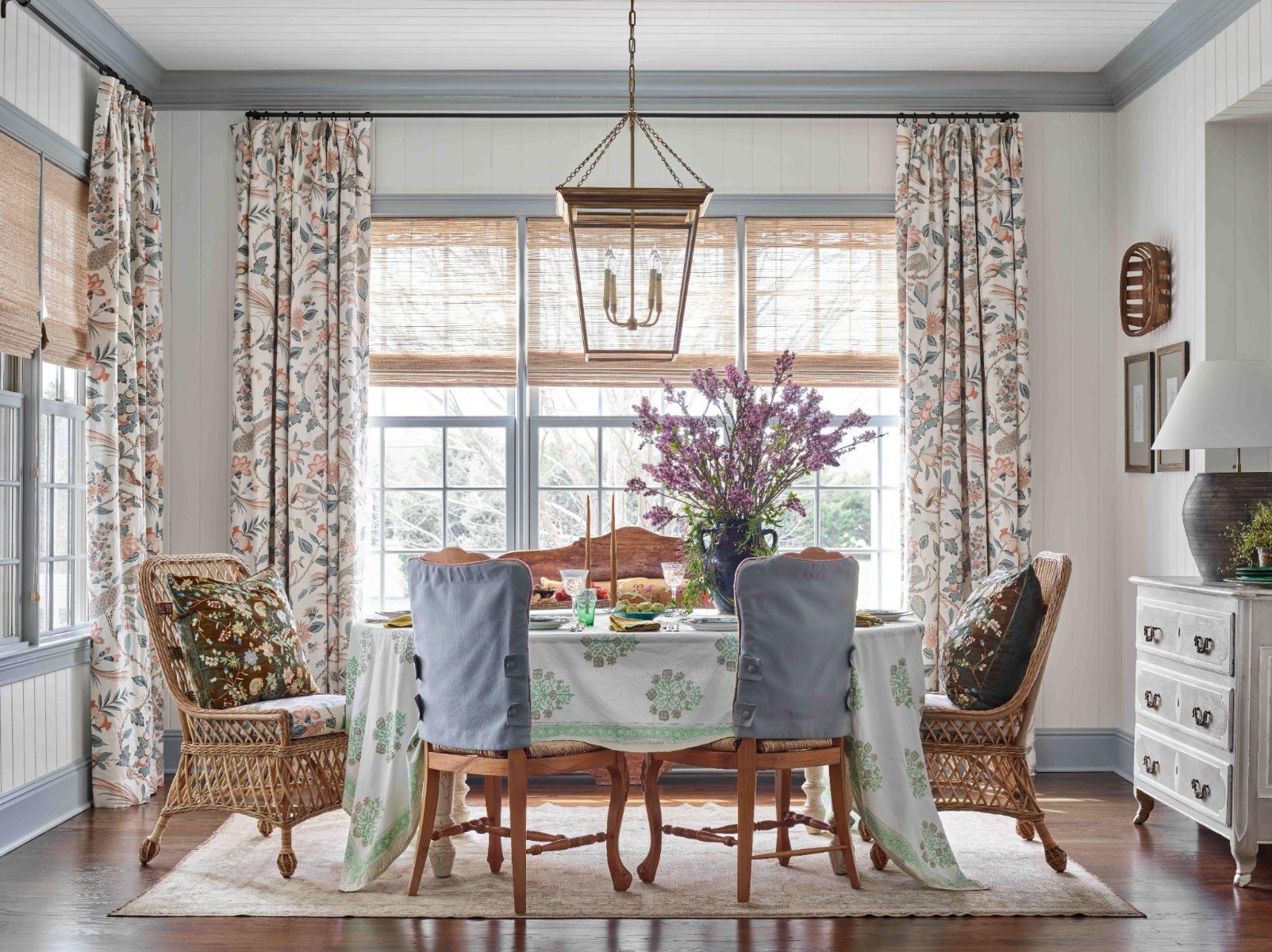
Rattan has a remarkable ability to transform a room. Its natural texture adds warmth, its woven details introduce pattern, and its sculptural quality can make even the most polished interior feel more relaxed and inviting.
Perhaps that is why rattan furniture has remained relevant across generations of design. It can feel traditional or contemporary, coastal or collected, formal or wonderfully casual, depending entirely on what surrounds it.
The secret to decorating with rattan furniture is not creating a room around a theme. Instead, think of rattan as another material in the designer’s palette, one that can be layered alongside upholstery, wood, stone, metal, pattern, and color.
Whether you begin with a pair of woven dining chairs or make a rattan piece the focal point of a room, these principles can help create an interior that feels layered rather than overly styled.
“ Rattan brings something a room often needs:
warmth, texture, and a sense of ease. ”
Start With One Statement Piece
You do not need an entire room of woven furniture to make an impact. In fact, one beautifully designed rattan piece can be enough to introduce texture and character.
A sculptural lounge chair, woven console, game table, or pair of dining chairs can become a natural focal point while still allowing the rest of the room to evolve around it.
This approach works particularly well in interiors where most of the existing furniture is upholstered or made from smooth materials. Rattan introduces contrast without requiring another strong color or pattern.
Mix Rattan With Upholstered Furniture
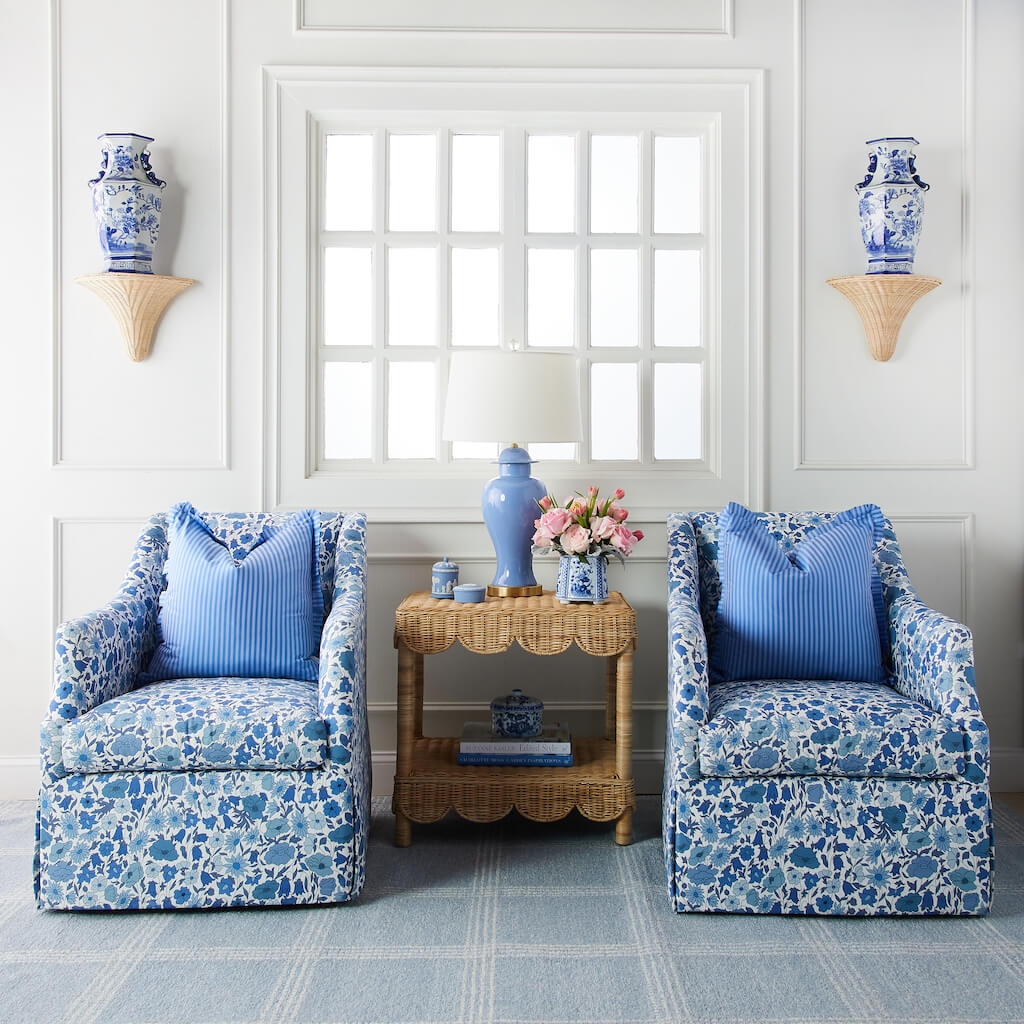
One of the most effective ways to decorate with rattan is to pair it with upholstery.
The contrast is what makes the combination interesting. Soft textiles balance the structure and texture of woven furniture, while rattan keeps an upholstered room from feeling too heavy.
Try placing a rattan lounge chair beside an upholstered sofa, using woven side chairs around a traditional dining table, or pairing a rattan cocktail table with fully upholstered seating.
Rather than matching materials, allow them to complement one another.
Layer Rather Than
Match
Natural Rattan
Upholstery
Pattern
Collected Objects
Let Texture Do Some of the Decorating
A room does not always need more color to become interesting. Sometimes it simply needs more texture.
Woven furniture creates visual depth through shadow, pattern, and material variation. Even in a neutral room, an intricate rattan weave can function almost like a subtle pattern.
This makes rattan particularly useful in spaces built around quieter palettes. Cream, ivory, warm white, soft blue, muted green, and natural wood tones can all become richer when layered with woven texture.
Do Not Be Afraid of Color
Natural rattan is often associated with neutral interiors, but woven furniture can be just as successful in rooms filled with color.
The organic quality of rattan can ground expressive fabrics, colorful walls, patterned rugs, and decorative accessories. Instead of competing with color, its natural texture often gives the eye somewhere to rest.
Painted and stained rattan can create another layer of possibility. Depending on the piece, a finish can make woven furniture feel more architectural, playful, traditional, or tailored.
Think in Layers,
Not Themes
Rattan does not require a coastal room, a sunroom, or a particular decorating style. Treat it as you would wood, linen, marble, or brass: one material within a larger, thoughtfully layered interior.
Mix Rattan With Traditional Pieces
One of rattan’s greatest strengths is its ability to soften more formal furniture.
Pair woven dining chairs with an antique table, place a rattan console beneath a traditional mirror, or introduce a woven lounge chair into a room with classic upholstery.
The contrast creates a room that feels collected over time rather than purchased all at once.
Rattan can also provide visual relief among heavier materials. Its open weaving and lighter visual weight can prevent rooms with dark wood or substantial upholstery from feeling too formal.
Use woven dining chairs to add texture around a wood, painted, or stone-topped table.
Pair rattan lounge chairs, side tables, or cocktail tables with upholstered seating.
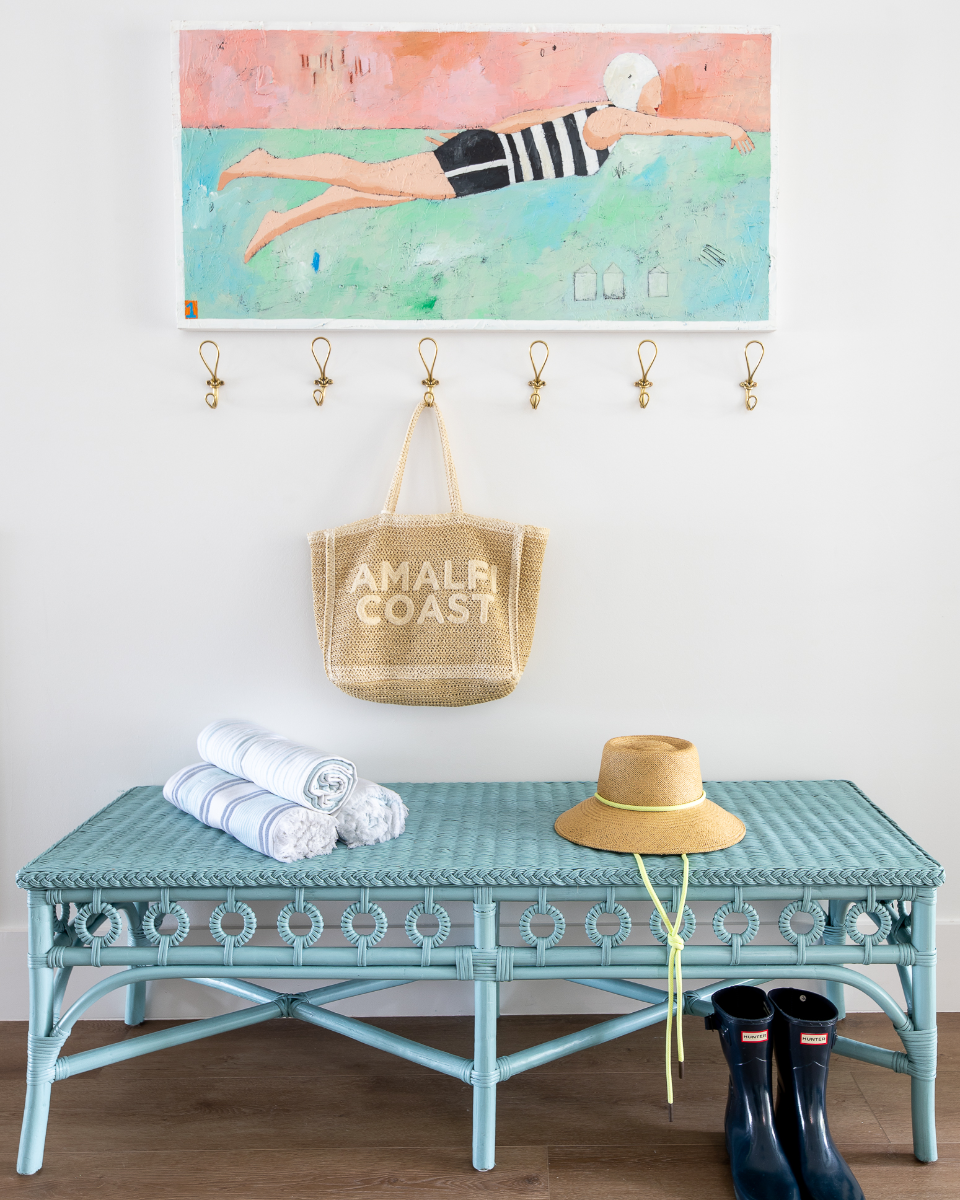
Introduce a woven bench, bedside table, chair, or decorative basket for natural warmth.
A sculptural rattan console or basket creates texture without visually overwhelming the space.
Make woven furniture part of the architecture with a rattan game table and coordinating chairs.
Use Rattan to Break Up Matching Furniture
Rooms often become more interesting when every piece is not part of the same set.
If you already have a matching sofa and upholstered chairs, consider replacing one element with woven seating. If your dining room feels overly coordinated, rattan chairs can introduce contrast around the table.
The goal is not to make the woven piece look intentionally different. It is to create enough variation that the room feels naturally assembled over time.
Repeat Rattan Subtly Throughout the Room
Once you introduce a substantial rattan piece, a few smaller woven elements can help it feel connected to the rest of the room.
This does not mean every piece needs to be rattan. A woven basket, tray, wall bracket, planter, or decorative accessory may be enough to repeat the texture elsewhere.
Repetition creates continuity. The key is restraint: repeat the material without allowing it to dominate the room.
Mix Different Woven Patterns
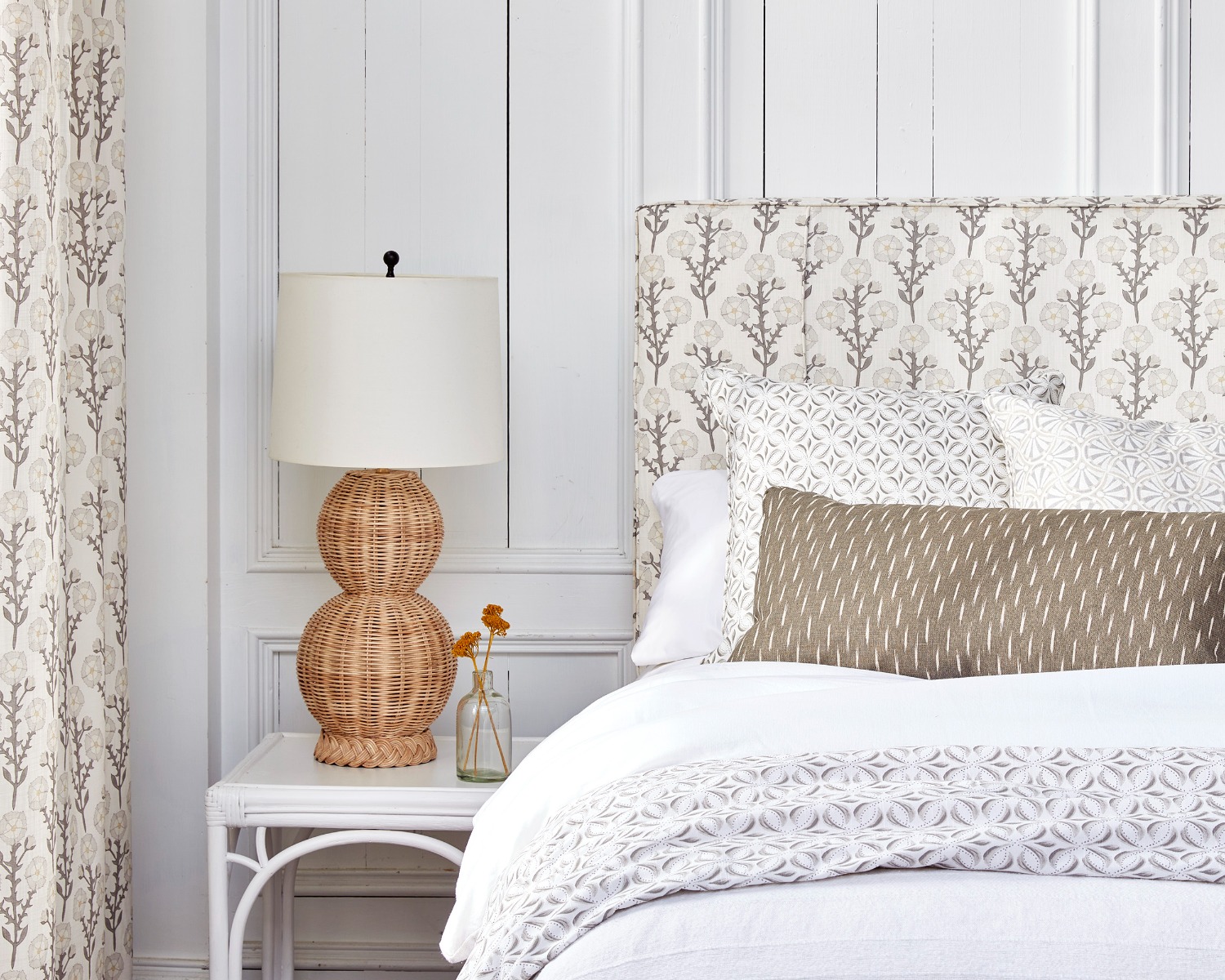
Just as a room can successfully combine several fabrics, it can also incorporate more than one style of weaving.
A tight basket weave can sit comfortably beside an open trellis pattern or a more sculptural braided detail. The variation adds depth, particularly when the pieces share a complementary palette or similar sense of proportion.
Avoid trying to match every weave exactly. The beauty of a layered interior often comes from related elements that are not identical.
Consider the View From Every Angle
Rattan furniture often has some of its most beautiful details on the back and sides, making placement especially important.
A woven chair floating within a room can become almost sculptural when its back is visible. Dining chairs with intricate detailing can add pattern even when the table is not in use.
Instead of automatically placing rattan against a wall, consider where its craftsmanship can be appreciated from multiple viewpoints.
Five Rules Worth
Remembering
Mix Materials
Pair woven furniture with upholstery, wood, stone, metal, and textiles.
Vary Texture
Let rattan add dimension instead of relying on color alone.
Avoid Matching Sets
Create a collected room with complementary, rather than identical, pieces.
Repeat With Restraint
Echo woven texture through smaller accents without overwhelming the room.
Forget the Rules
Use rattan wherever its warmth and character make the room more interesting.
Frequently Asked Questions
What furniture goes well with rattan?
Rattan works beautifully with upholstered furniture, natural wood, painted pieces, stone, metal, antiques, and a wide variety of textiles. Mixing materials generally creates a more layered interior than using matching rattan pieces throughout a room.
Does rattan furniture have to look coastal?
No. Rattan is a material rather than a decorating theme. Depending on its silhouette, finish, and surroundings, rattan furniture can work in traditional, contemporary, colorful, formal, and eclectic interiors.
Can you mix rattan with wood furniture?
Yes. Mixing rattan and wood is an effective way to layer natural materials. The pieces do not need to match perfectly in tone. Slight variation can make the room feel more collected.
Can you mix different colors of rattan furniture?
Different natural, stained, or painted finishes can work together when the overall room has a sense of balance. Focus on how the pieces relate to the entire palette rather than trying to match every finish exactly.
How much rattan should you use in one room?
There is no fixed rule. One statement piece may be enough in some rooms, while others can accommodate several woven elements. Consider visual balance and mix rattan with other materials so the room does not feel overly themed.
Create a Room That Feels Collected
The most memorable interiors rarely rely on a single material, period, or point of view. They are built in layers, combining pieces that feel as though they were discovered over time.
Rattan is particularly suited to that approach. Its natural texture can soften formality, add warmth to contemporary spaces, bring dimension to neutral rooms, and provide balance in interiors filled with color and pattern.
Ultimately, decorating with rattan is less about following a formula and more about allowing natural texture, craftsmanship, and character to become part of the story of a room.
Designed to inspire, crafted to endure.
Bring Natural Texture
Into the Room
Explore handcrafted woven furniture designed to bring warmth, texture, and character to beautifully collected interiors.
Explore Rattan Furniture →