
Rattan vs. Wicker:
What’s the Difference?
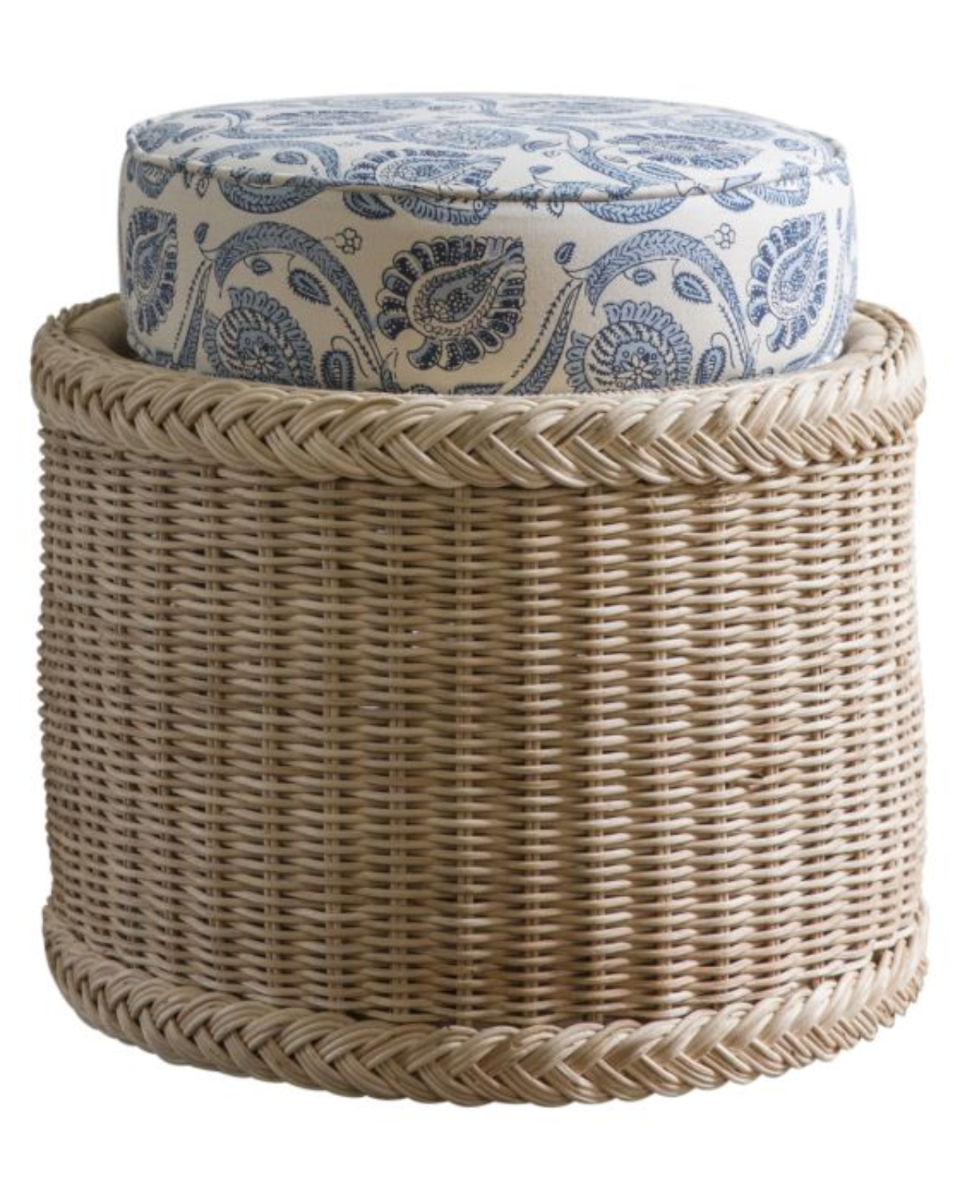
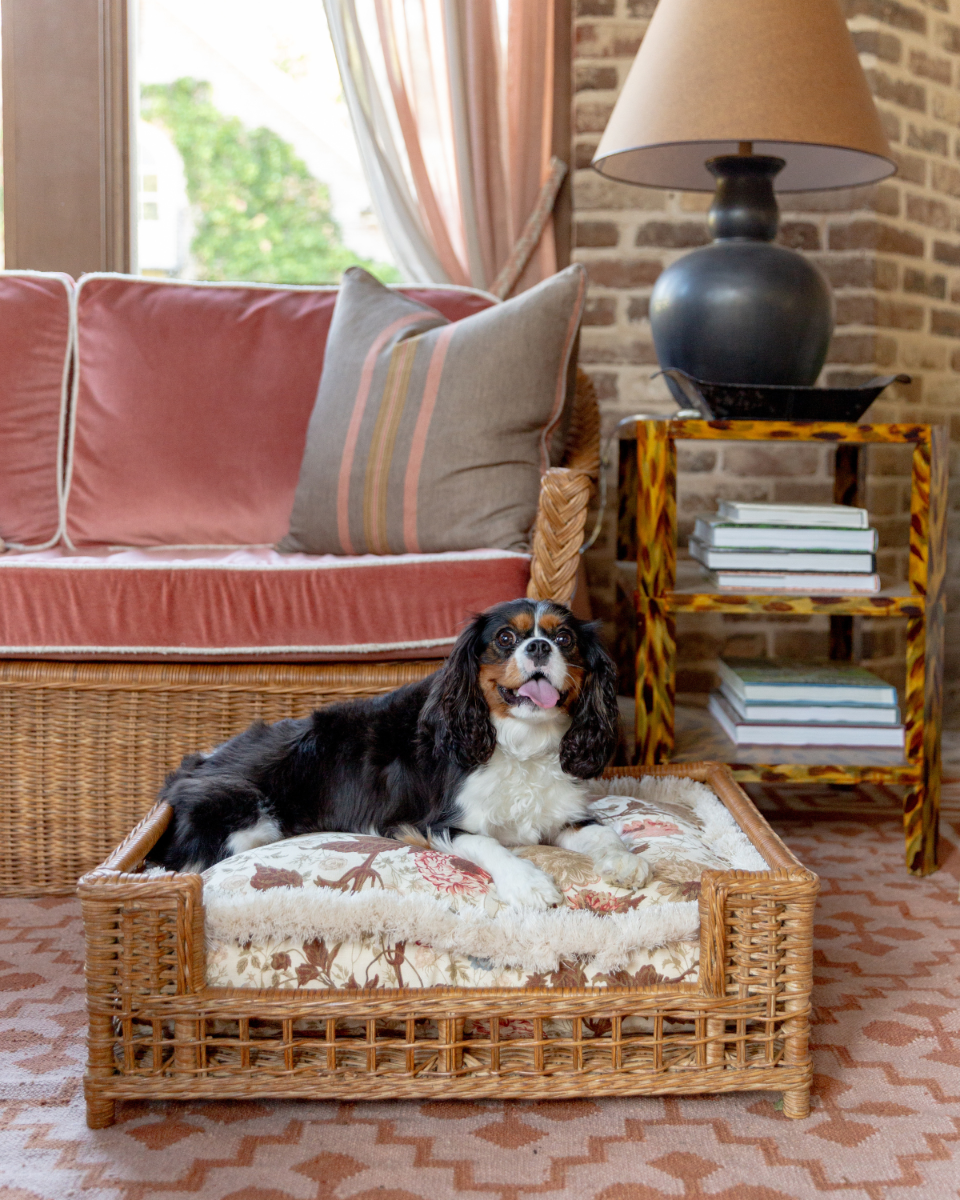
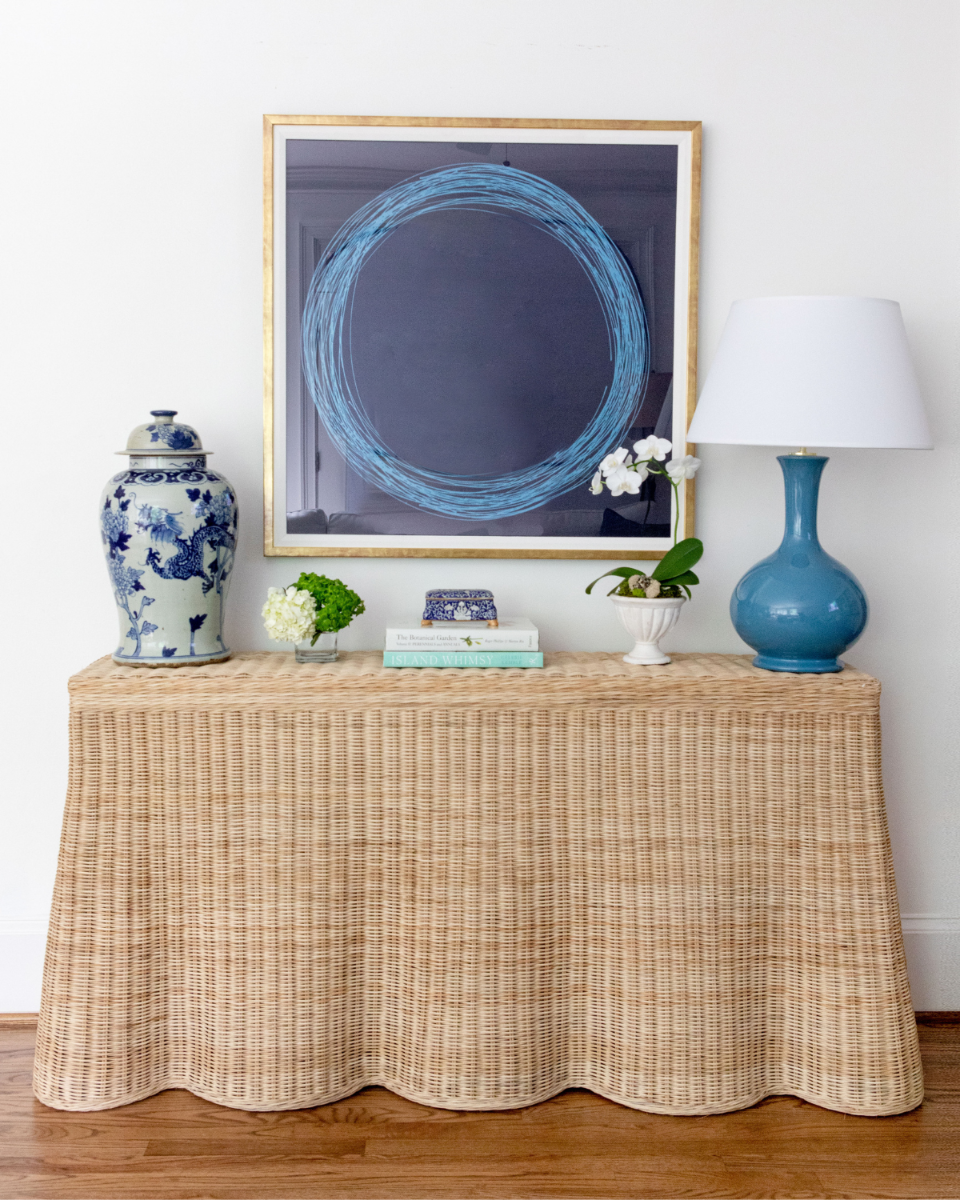
The words rattan and wicker are often used interchangeably, but they don’t mean the same thing. Understanding the distinction begins with one simple idea: rattan is a material, while wicker is a weaving technique.
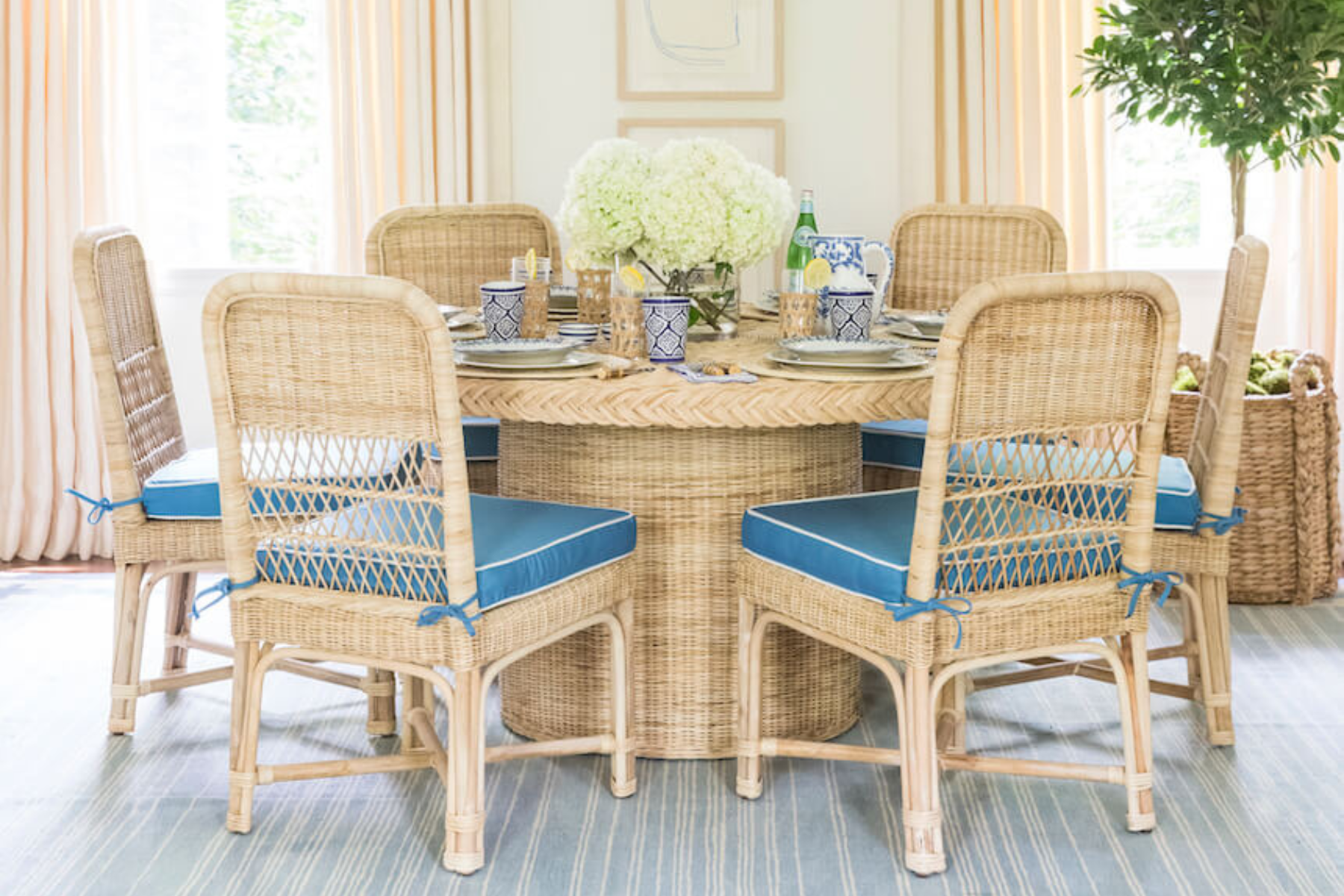
Few materials bring warmth, texture, and character to a room quite like woven furniture. For generations, rattan and wicker have appeared in interiors ranging from elegant garden rooms and coastal retreats to layered traditional homes.
Yet despite their long history in design, the terms rattan and wicker are still frequently confused. The difference is surprisingly simple, and understanding it makes it much easier to recognize quality woven furniture.
What Is Rattan?
Rattan is a natural material derived from a climbing palm that grows primarily in tropical regions. Unlike hollow bamboo, rattan has a solid core, giving it an unusual combination of strength and flexibility.
Those characteristics make rattan particularly well suited to furniture making. Skilled craftspeople can bend and shape the material into graceful curves and architectural frames while retaining the strength needed for everyday use.
“ Rattan is the material.
Wicker is the technique. ”
What Is Wicker?
Wicker, on the other hand, is not a material at all. Wicker describes a method of weaving.
A piece of wicker furniture can be woven from natural rattan, willow, reed, or other plant fibers. Contemporary outdoor wicker can also be created from durable synthetic materials designed to withstand exposure to the elements.
This is why something can be both rattan and wicker at the same time. A chair may have a structural frame made from rattan and feature wicker weaving throughout its seat, back, or decorative details.
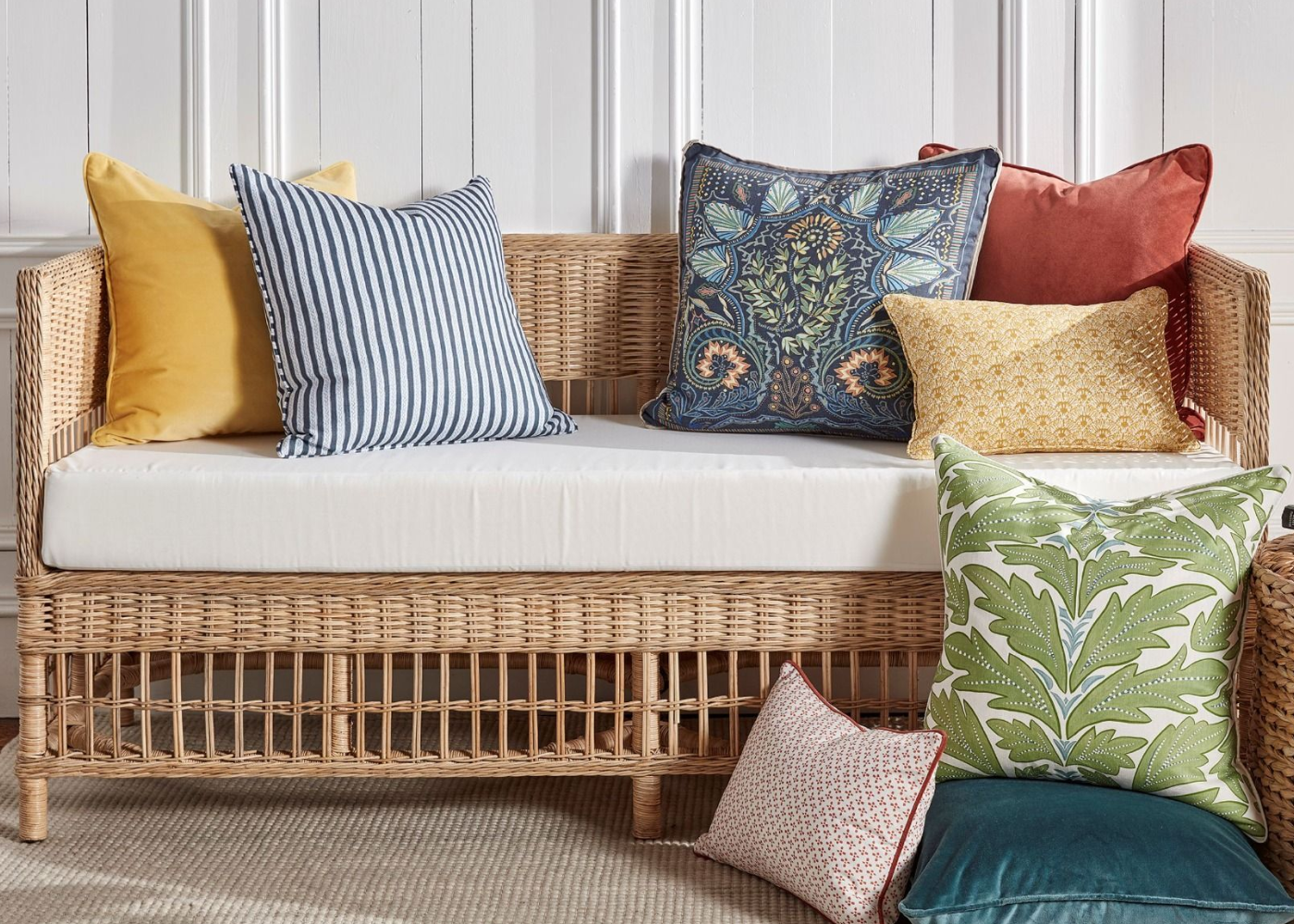
Why the Difference Matters
Knowing the distinction between rattan and wicker is about more than terminology. It can help you better understand how a piece of furniture was made, the materials used in its construction, and where it is best suited to live.
Natural rattan has a warmth and variation that are part of its character. Each pole, bend, and woven detail reflects the organic qualities of the material and the hand of the maker.
Rattan
A natural plant material prized for its strength, flexibility, and beauty.
Wicker
A weaving technique that can use rattan or a variety of other natural and synthetic materials.
The Enduring Appeal of Woven Furniture
Perhaps the reason rattan and wicker have remained relevant for so long is their ability to move effortlessly between decorating styles. A beautifully woven piece can soften a formal room, add texture to a neutral interior, or bring a sense of ease to a garden-inspired space.
It is furniture with presence, but also lightness. And when thoughtfully designed and carefully crafted, it has the ability to feel both familiar and entirely fresh.
Shop the Story
Explore woven designs from Memoire Design™.