

The Complete Guide to
Rattan Furniture
From its natural origins and centuries-old craftsmanship to choosing, styling, and caring for woven pieces, discover everything you need to know about rattan furniture.
Few materials bring warmth, texture, and character to an interior quite like rattan. Lightweight yet remarkably strong, natural yet sophisticated, rattan furniture has moved effortlessly through centuries of design.
Its appeal lies partly in its versatility. A woven rattan chair can feel equally at home in a traditional dining room, a relaxed coastal retreat, a layered garden room, or a contemporary interior. Its natural texture softens a space while its sculptural possibilities allow it to become a design statement in its own right.
But what exactly is rattan? How is rattan furniture made? How does it differ from wicker? And what should you look for when choosing a piece for your home?
Consider this your guide to understanding, choosing, styling, and caring for one of design’s most enduring natural materials.
“ Natural texture has a way of making
even the most refined room feel inviting. ”
What Is Rattan?
Rattan is a naturally growing climbing palm found primarily in tropical regions. Unlike many woods, which grow as solid trunks, rattan grows as long, flexible stems.
Those stems combine strength with flexibility, allowing skilled craftspeople to bend and shape the material into curved frames, graceful silhouettes, and intricate furniture forms.
Rattan can be used structurally to create the frame of a piece, while thinner portions of the material can be prepared for wrapping and weaving. This versatility is one reason it has remained such an important material in furniture design.
Rattan vs. Wicker: What’s the Difference?
Rattan and wicker are often used interchangeably, but the two words describe different things.
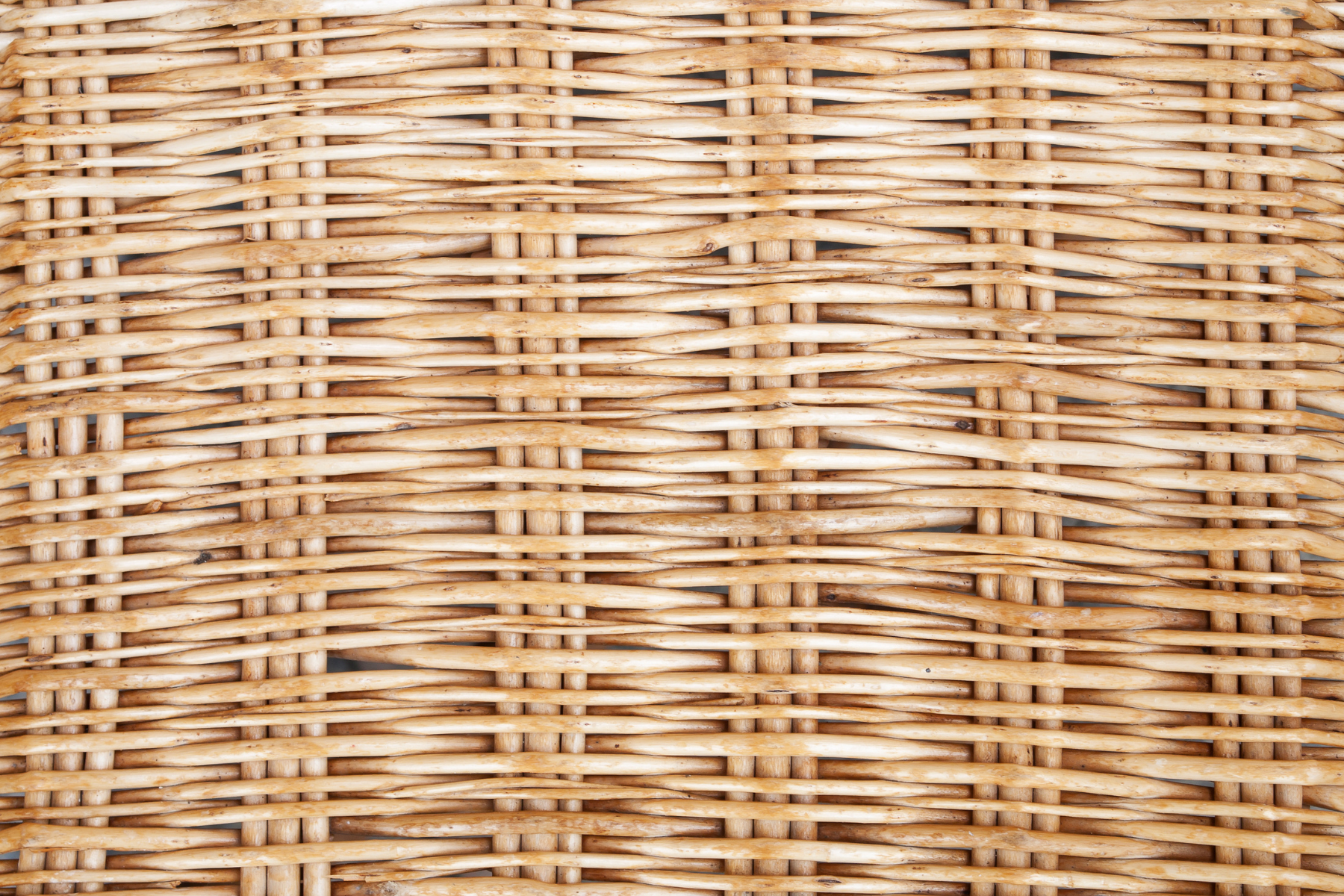
Rattan is a material. Wicker is a method of weaving.
A piece of furniture can therefore have a structural frame made from rattan and woven areas created using wicker techniques. Wicker itself can be made from several natural or synthetic materials.
Understanding that distinction makes furniture terminology much easier to navigate.
Read Rattan vs. Wicker: What’s the Difference? →A natural material used to construct and weave furniture.
A weaving technique that can use natural or synthetic materials.
How Rattan Furniture Is Made
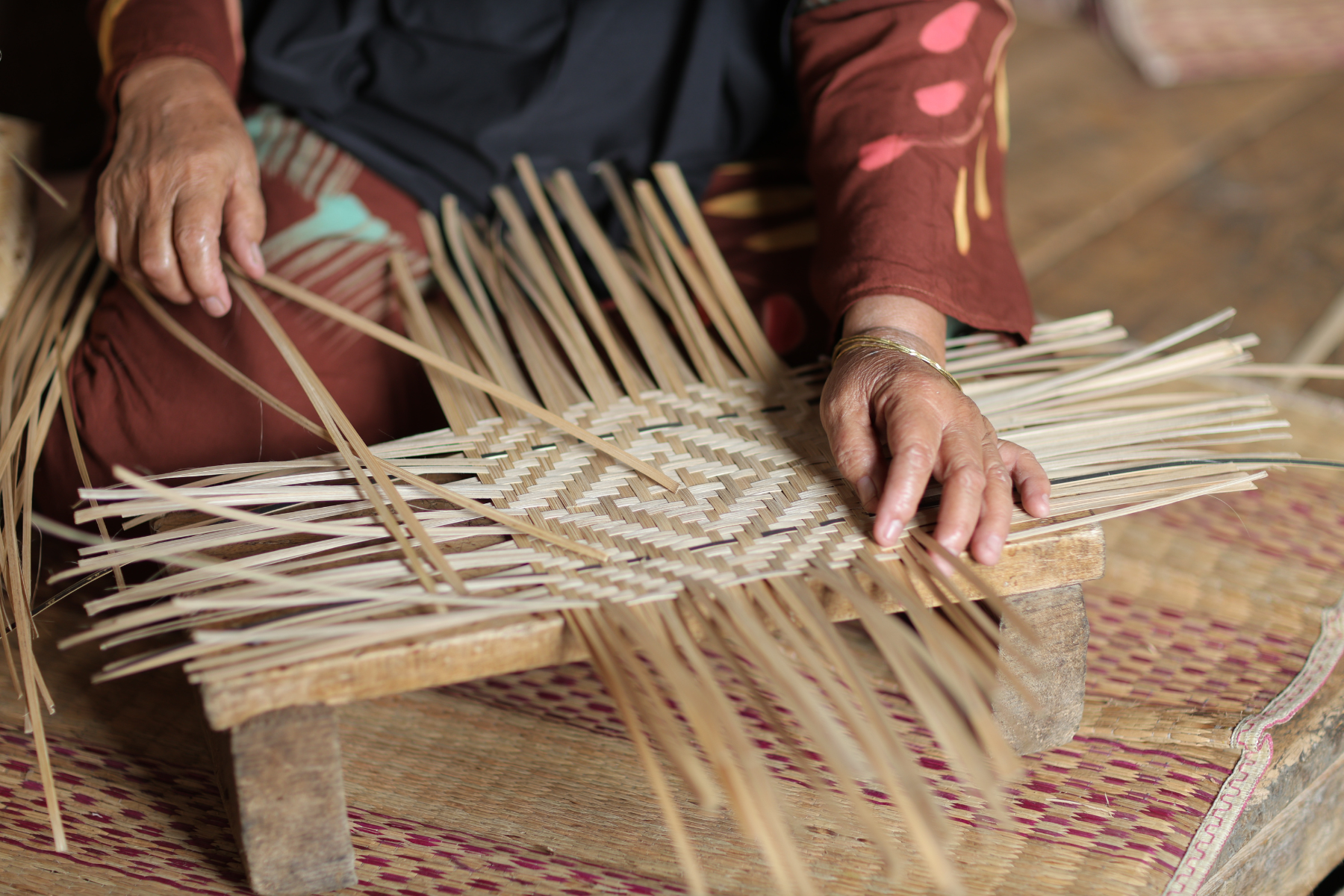
The character of rattan furniture begins with the material itself, but craftsmanship determines how that material becomes a finished piece.
Rattan can be shaped to form frames and architectural elements, while thinner material can be woven, wrapped, or used to create decorative patterns. Curves, joints, edges, and woven surfaces require careful attention as the piece takes form.
Because rattan is a natural material and much of the work is performed by hand, subtle variation is to be expected. Those differences are part of the character of handcrafted woven furniture rather than something to be eliminated.
Why Designers Love Rattan Furniture
Rattan has an unusual ability to add visual interest without making an interior feel heavy.
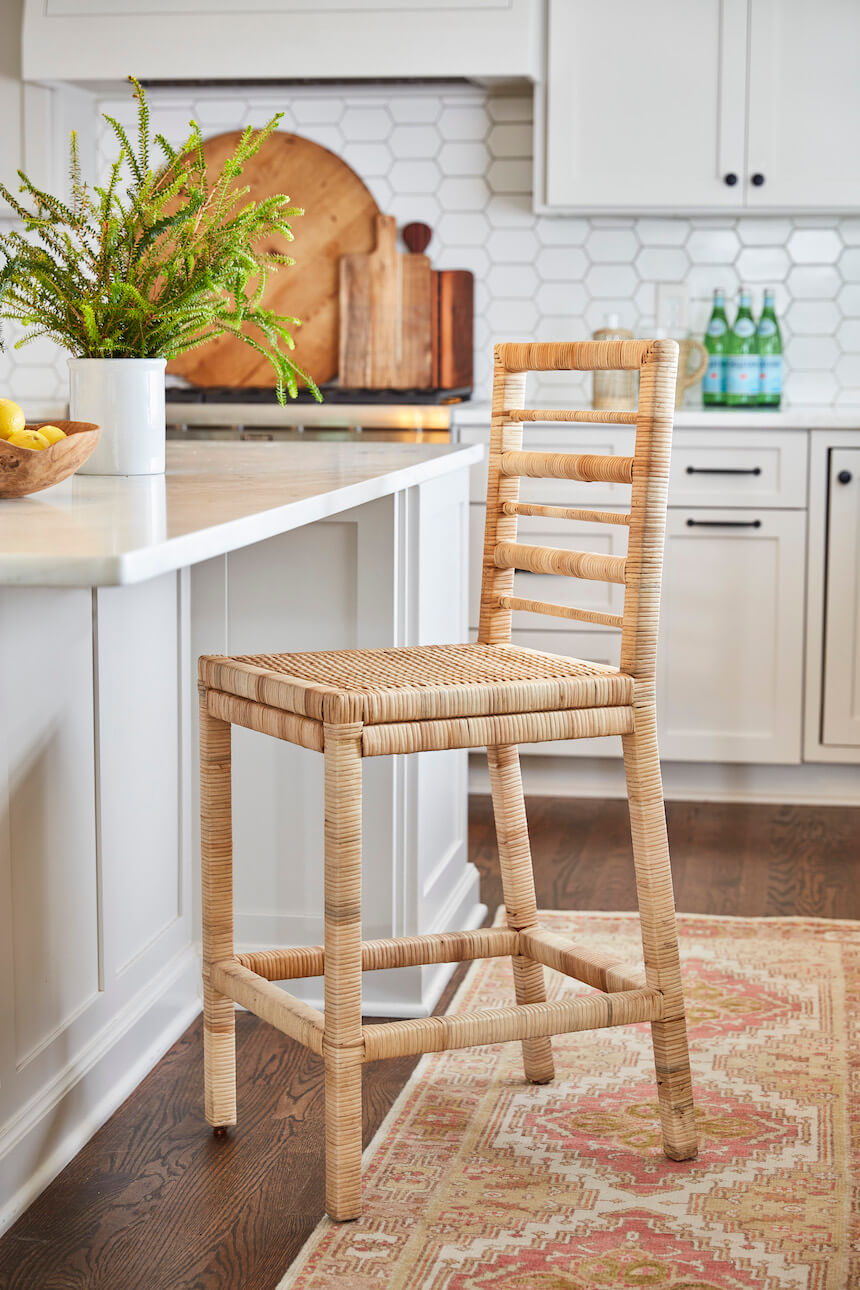
Its woven texture provides contrast against smoother materials such as stone, painted wood, lacquer, glass, and upholstery. At the same time, its organic character can soften formal architecture and make a carefully designed room feel more relaxed.
Rattan also works across an extraordinary range of design styles. The silhouette and finish of a piece can make it feel traditional, coastal, tailored, garden-inspired, or distinctly modern.
Texture Is the
Secret Ingredient
When a room feels as though something is missing, texture is often the answer. A woven chair, table, basket, or accent piece can introduce depth without adding another pattern or color.
Types of Rattan Furniture
Rattan’s versatility allows it to move well beyond the occasional accent chair. Today, woven furniture can be layered throughout an interior in both functional and decorative ways.
Dining Chairs
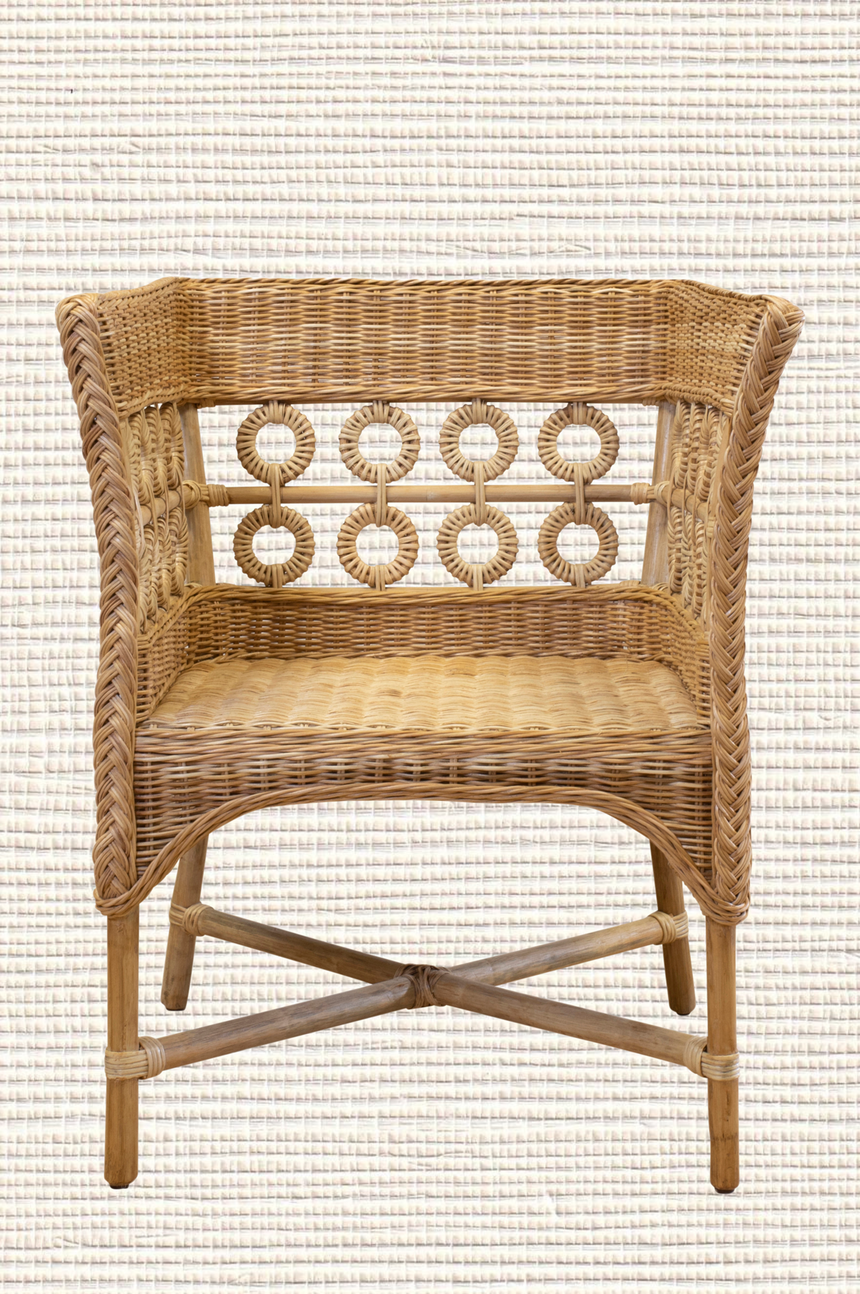
Woven dining chairs introduce texture around the table while maintaining an elegant, tailored silhouette.
Lounge Seating
Rattan lounge chairs and sofas combine sculptural form with the relaxed character of natural materials.
Tables
Side tables, consoles, game tables, and occasional pieces bring woven texture to unexpected places.
Baskets & Accessories
Handwoven baskets and decorative accents provide an easy way to layer natural texture throughout a home.
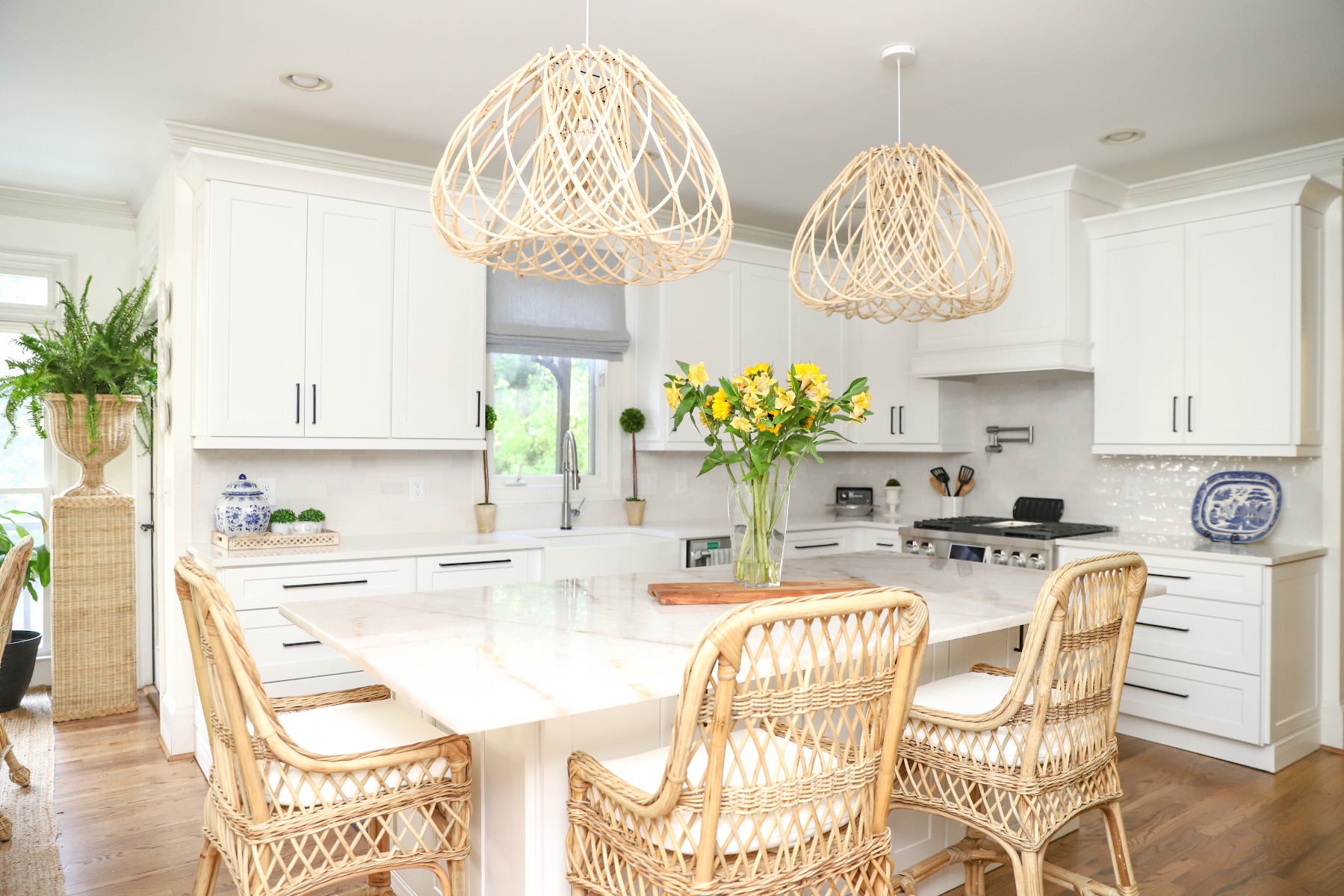
How to Choose Rattan Furniture
As with any piece of furniture, proportion should come first. Consider the scale of the room, the furniture surrounding the piece, and how it will be used.
Next, look closely at construction and detail. The frame, joints, wrapping, and woven areas all contribute to both the appearance and character of a piece.
Finally, consider finish. Natural finishes emphasize the organic qualities of rattan, while painted or stained finishes can shift the personality of a piece and allow woven furniture to work within a broader range of interiors.
Choosing the Right Piece
Scale & Proportion
Construction
Weaving & Detail
Finish
Function
Placement
How to Style Rattan Furniture
One of the easiest ways to style rattan is to treat it as a textural neutral rather than as a theme.
Pair woven pieces with upholstered furniture, antiques, painted finishes, natural stone, patterned textiles, and polished materials. The contrast allows rattan to add warmth without making the room feel overly casual.
A single woven piece can provide just enough texture, while repeating rattan in subtle ways throughout a room can create a sense of continuity.
How to Care for Natural Rattan Furniture
Natural rattan furniture benefits from simple, thoughtful care. Regular dusting helps prevent buildup within woven surfaces and decorative details.
Avoid prolonged exposure to excessive moisture and harsh environmental conditions unless a piece has specifically been designed for outdoor use.
Because rattan is a natural material, variations in tone, texture, and surface are part of its inherent character. Caring for it gently helps preserve that beauty over time.
Natural Rattan vs.
Outdoor Woven Furniture
Natural Rattan
Natural rattan is an organic material. Unless a particular product is specifically designed otherwise, it is best suited to protected interior environments.
Outdoor Woven Furniture
Furniture intended for outdoor environments may use weather-resistant synthetic woven materials engineered to better withstand exposure to the elements.
Why Rattan Furniture Endures
Rattan furniture has appeared in interiors across generations, yet it continues to feel relevant because the material itself is remarkably adaptable.
Its character changes with silhouette, weave, finish, and setting. What remains constant is the warmth and texture it brings to a room.
The best rattan furniture does not belong to a single trend. It becomes part of the layers that make a home feel collected, personal, and lived in.
Frequently Asked Questions
Is rattan the same as wicker?
No. Rattan is a material, while wicker describes a weaving technique. Rattan can be used to create wicker furniture, but wicker can also be made from other natural or synthetic materials.
Is rattan furniture still in style?
Rattan has been used in furniture for generations and works across a wide range of interior styles. Its natural texture and versatility give it an enduring quality beyond a single decorating trend.
Can natural rattan furniture be used outdoors?
Natural rattan is generally best protected from prolonged exposure to moisture and harsh weather unless the individual product is specifically designed for outdoor conditions. Outdoor woven furniture often uses synthetic materials engineered for exterior environments.
How do you clean rattan furniture?
Regular gentle dusting is a good starting point. Follow the specific care instructions provided for your furniture and avoid harsh cleaning methods that may damage natural fibers or finishes.
What interior styles work with rattan furniture?
Rattan can work beautifully in traditional, coastal, contemporary, garden-inspired, and collected interiors. The silhouette, finish, and surrounding materials determine how formal or relaxed a woven piece feels.
The Art of Woven Living
To understand rattan is to understand why woven furniture has endured for so long. It offers something difficult to replicate: structure and softness, craftsmanship and ease, sophistication and natural beauty.
Whether introduced through a single chair or layered throughout an entire room, rattan brings a sense of warmth and character that only becomes more beautiful as a home evolves around it.
Designed to inspire, crafted to endure.
The Art of
Woven Living
Explore handcrafted rattan and woven furniture designed for timeless interiors.
Explore Rattan Furniture →